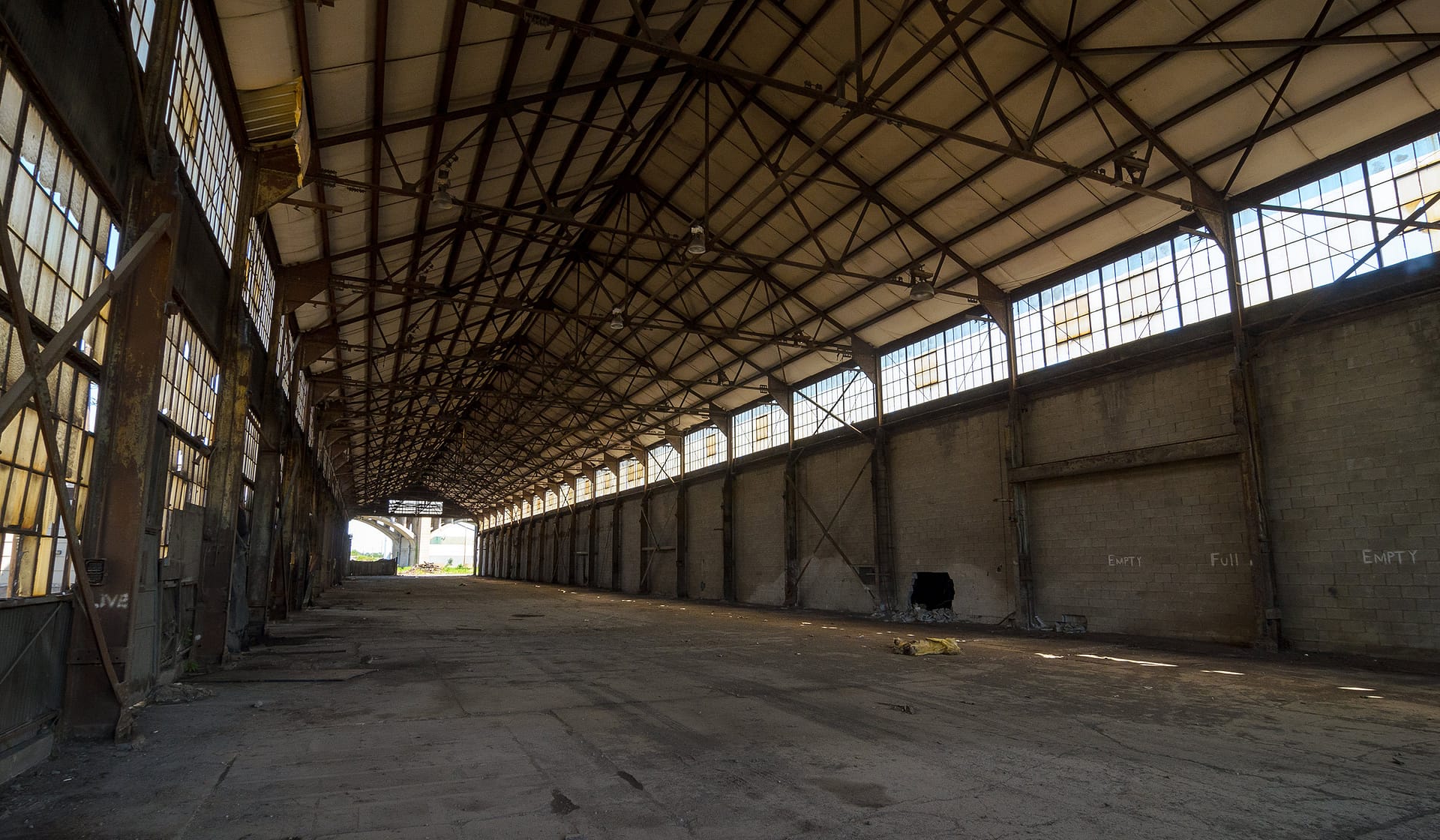
For most of the 20th century, Lehigh Structural Steel shaped beams that framed bridges, factories, and skylines across the country. When the plant fell quiet in the late 1980s, it left behind a 29-acre stretch along the Lehigh River that the city could see but not use. That same ground is now The Waterfront, a riverfront district built by Jaindl Properties under The Waterfront Development Company.
This is a brownfield redevelopment story, and the work began underground. Bringing an old steel site back to productive use meant removing contaminated soil, clearing idle structures, and restoring land that decades of industry had closed off. Federal, state, and local partners worked alongside private investment to remediate the site to a standard that supports homes, offices, and public space along the water.
The result drew national notice. Michael Regan, then Administrator of the U.S. Environmental Protection Agency, pointed to The Waterfront as a model of responsible, collaborative cleanup. That recognition matters because it confirms a simple fact: the land here is not patched over; it is genuinely returned.
Sustainability shaped the plan from the start. The district keeps using close together so people can walk between home, work, and the river. Parks, trails, and open spaces manage stormwater, soften summer heat, and reopen the riverbank to the public for the first time in generations. Good environmental design and good placemaking turned out to be the same decision.
The street grid clearly shows the before-and-after. Where there were fences and fallow lots, there is now 615 Waterfront, a six-story Class A office building of roughly 120,000 square feet, with River House rising nearby at 30 East Allen Street. Around them: ground-floor retail, dining, and the River Walk that follows the water’s edge.
Connection extends past the site. Jaindl donated the Allentown land for a riverside road-and-trail corridor, and the Lehigh Valley Planning Commission won a $21.1 million federal RAISE grant in 2021 to help build it. The path closes a missing link in the Delaware and Lehigh (D&L) Trail, the 165-mile route running from the Wilkes-Barre area to Bucks County.
The Waterfront sits in good company. Pittsburgh turned its SouthSide Works steel grounds into a mixed-use district, and Baltimore reopened its Inner Harbor to the public. Allentown’s riverfront belongs in that conversation, with the added force of a development that honors where it came from.
There is more ahead. Future phases will add homes, commercial space, and green space along the river, each built on the same principle that opened the site: respect the history, restore the land, and give the city its waterfront back.
See the transformation in person. Walk the River Walk, then tour the Offices at 615 Waterfront. Schedule a visit.